Dermato-Functional Physiotherapy
The Physiotherapy perspective
Equipment and Techniques Used in Dermato-functional Physiotherapy
Dermato-functional Physiotherapy is a highly effective therapeutic approach for treating aesthetic body disorders. It is based on in-depth knowledge of the resources and techniques available in the field, grounded in the anatomy, physiology and pathophysiology of the human body.
The process begins with a thorough assessment carried out by a physiotherapist specialising in the area. This assessment also considers the need for a nutritionist and regular physical activity. As a team, the professionals assess the patient’s problem in detail and develop a specific, personalised treatment plan.
Dermato-functional Physiotherapy is effective in treating a variety of conditions, some of which are quite common. Below, we highlight some frequent conditions/disorders and the associated treatment techniques, which are implemented after careful assessment:
1. Vascular and Lymphatic Changes: Use of techniques such as manual lymphatic drainage, acoustic wave therapy, pressotherapy and a personalised training plan to facilitate venous return and maintain the fluid balance of the tissues.
2. Obesity: Developing a diet suited to the goals and a personalised training plan to support weight loss.
3. Skin and muscle laxity: Use of resources such as Shockwave Therapy and Radiofrequency (EXILIS), combined with a personalised training plan, to improve muscle tone.
4. Gynoid Lipodystrophy (Cellulite): Drawing up an aerobic training plan, together with techniques such as neuromuscular stimulation, Shockwave Therapy, Exilis (ultrasound and radiofrequency), pressotherapy and manual lymphatic drainage. Results vary according to the stage of the cellulite.
5. Stretch marks/scars: Reducing scar adhesion (for example, after a caesarean) and improving skin texture, using manual techniques, radiofrequency (EXILIS), dry needling, shockwave therapy, laser and specific exercises.
6. Localised Fat: Reduction of localised fat with the innovative, non-invasive Exilis treatment.
Manual Lymphatic Drainage:
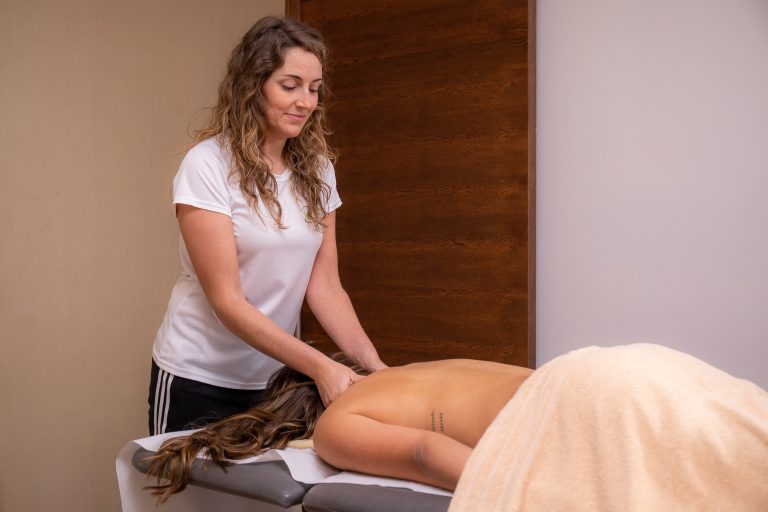
Manual Lymphatic Drainage (MLD) is a manual technique that uses gentle, slow pressure, following the path of the lymphatic system. This technique drains excess fluid from the interstitial spaces and promotes the removal of metabolic waste. It also stimulates tissue regeneration and has analgesic and anti-inflammatory properties.
Exilis (BTL):
Exilis is a non-invasive treatment that uses thermal energy to reduce skin laxity and localised fat, delivering excellent aesthetic results. The treatment is painless and requires no recovery time. It can be applied to various areas of the body, such as the abdomen, arms, thighs, buttocks and knees.
Pressotherapy:
BTL Lymphastim pressotherapy is equipment that stimulates lymphatic circulation through pneumatic pressotherapy. It can be used on its own or as a complement to Manual Lymphatic Drainage.
Shockwave Therapy:
BTL X-Wave Shockwave Therapy is effective in improving skin texture. This technique uses targeted vibrations to eliminate irregularities on the skin’s surface, such as cellulite. The mechanical vibrations increase microcirculation and promote the removal of excess interstitial fluid.
Electrotherapy:
Electrotherapy involves the use of electrical energy in treatment and is often applied at low intensities, offering different types of currents to achieve different goals. The main benefits include promoting analgesia, improving tissue oxygenation, reducing muscle tension, stimulating muscle contraction and increasing muscle strength.
At Tecnifisio, electrotherapy is integrated into physiotherapy, resulting in personalised treatment programmes that contribute to improving our patients’ quality of life.
Our team of highly qualified professionals is committed to delivering remarkable results for your health and wellbeing.
For more information and bookings, visit www.btlportugal.pt