Postnatal Physiotherapy
Boost your wellbeing after childbirth
Postnatal Recovery through Physiotherapy
Postnatal recovery is a crucial stage that deserves special attention. Ideally, it should begin 15 days after a vaginal birth, or 30 days after a caesarean, unless there are medical contraindications (or, ideally, after the first postnatal medical check-up). In this process, the patient is assessed by a physiotherapist specialising in Mother-and-Child Health, who will define a personalised, multidisciplinary rehabilitation plan.
Postpartum Sessions: Individualised and Specific
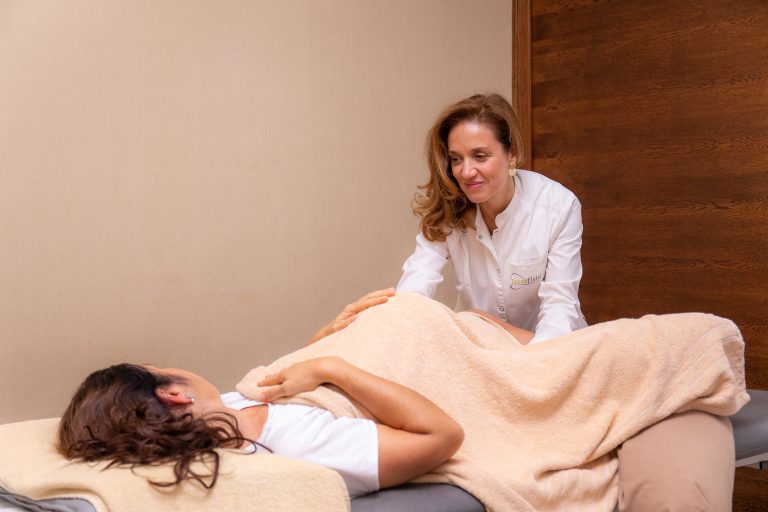
First, postpartum sessions can be either individual or group, with the option of Postpartum Pilates. In individual sessions, manual and mechanical techniques are applied to rehabilitate common postpartum complications, such as:
– Vaginismus (involuntary contraction of the vaginal muscles);
– Reduced sensation during sexual intercourse;
– Anorgasmia (difficulty reaching orgasm);
– Dyspareunia (pain during sexual intercourse);
– Sacroiliitis (pain in the sacroiliac joint);
– Pubalgia (pain in the pubic region);
– Coccydynia (pain in the coccyx);
– Urinary, faecal and flatus incontinence;
– Prolapse (descent) of organs such as the bladder, uterus and rectum.
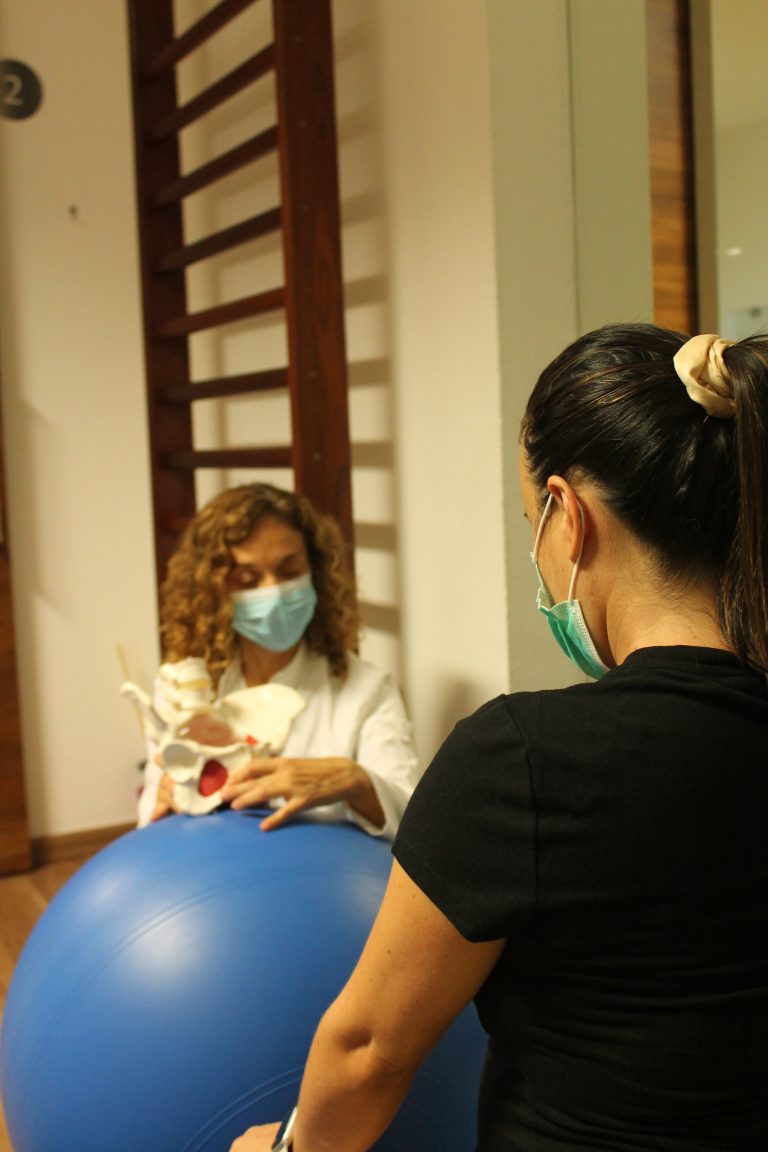
In addition, exercises are taught to be done at home, which help physical and mental recovery, promoting an improvement in the woman’s self-esteem and self-confidence.
Postpartum Pilates: Adapting to Your Wellbeing
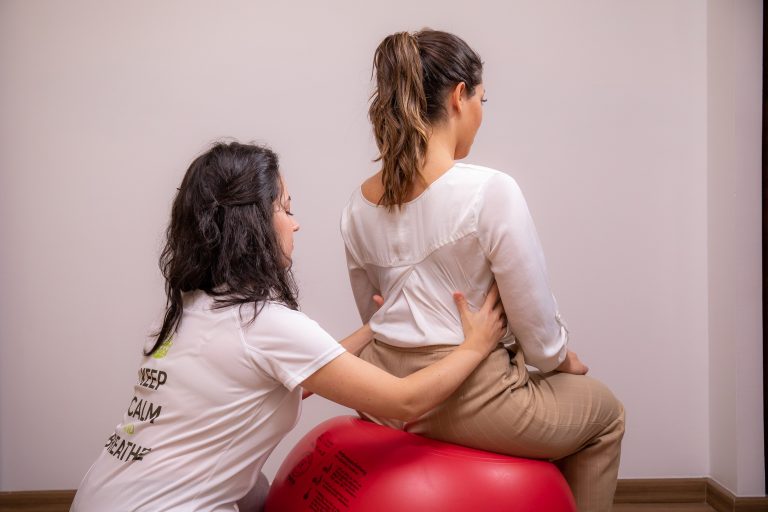
Likewise, in postpartum Pilates sessions, the specialised physiotherapist takes into account a number of factors, such as the type of birth, complications during and after birth, hormonal changes, urinary incontinence, breastfeeding, fatigue, and adequate nutrition and hydration. These factors are crucial for adapting the training plan defined at the assessment session to the patient’s specific needs. Sessions can be individual or in a group.
The goals of postpartum Pilates exercises are:
– Improving lumbo-pelvic stability;
– Increasing pelvic floor muscle strength;
– Reducing the separation of the abdominal muscles (diastasis recti);
– Improving body awareness and correcting postures acquired through new daily activities with the baby;
– Gradually regaining fitness and returning to the physical activity done before pregnancy;
– Managing weight;
– Preventing back pain;
– Coping with symptoms of pelvic instability;
– Promoting self-esteem;
– Managing emotional lability;
– Preventing postnatal depression.
In conclusion, these personalised sessions are essential to support mothers on their journey of postnatal recovery, contributing to their physical and emotional wellbeing.